Thailand
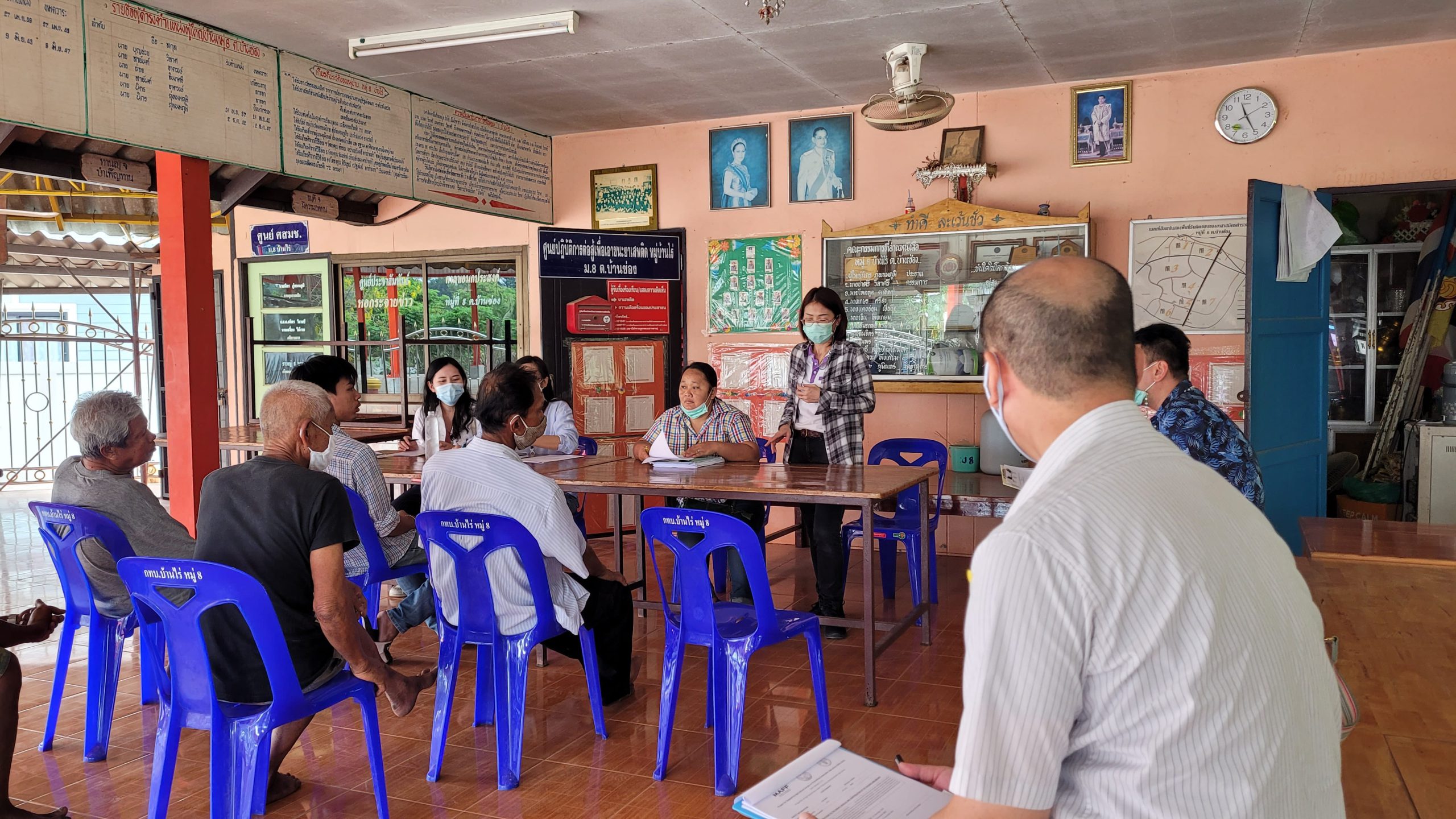
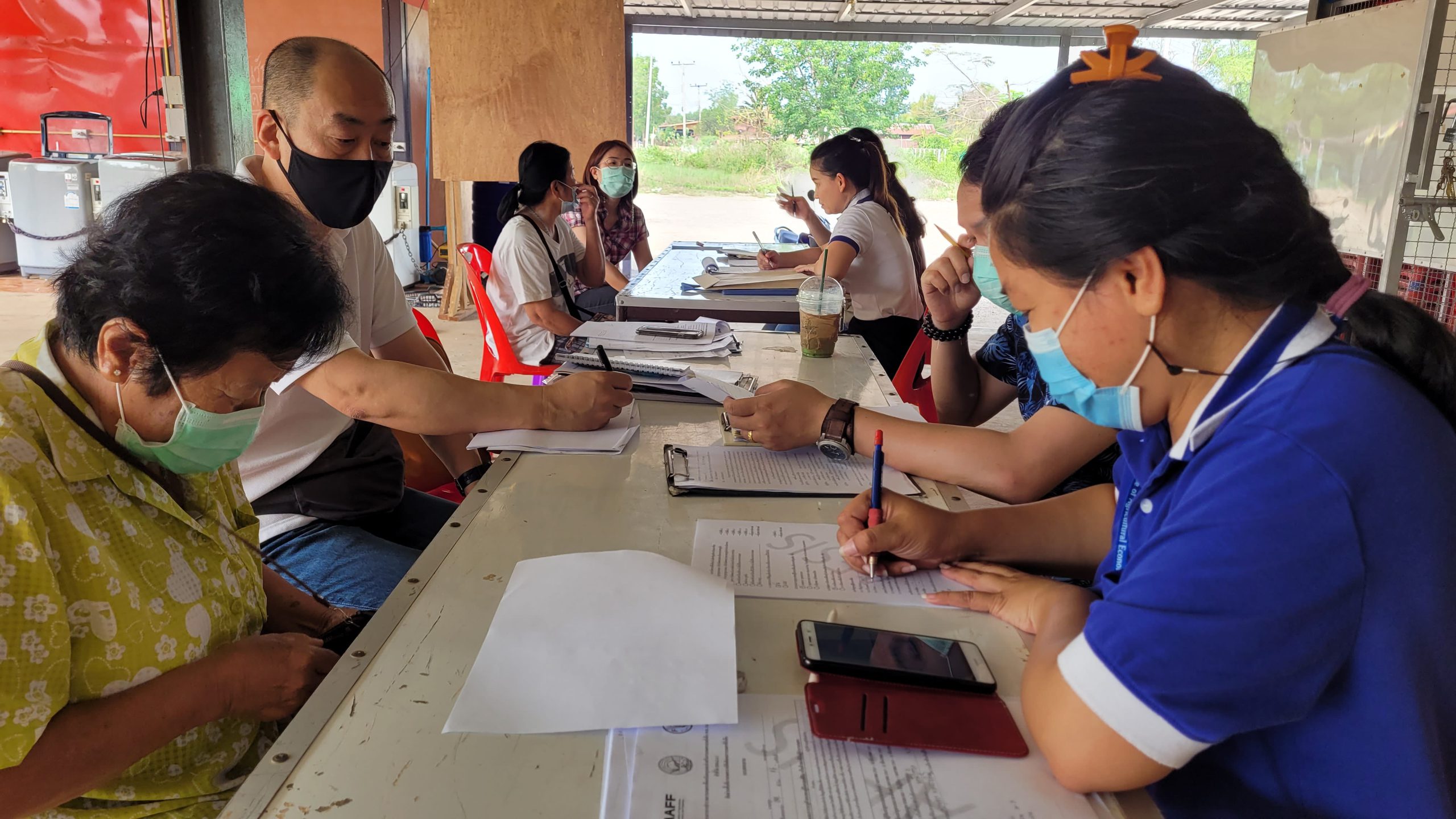
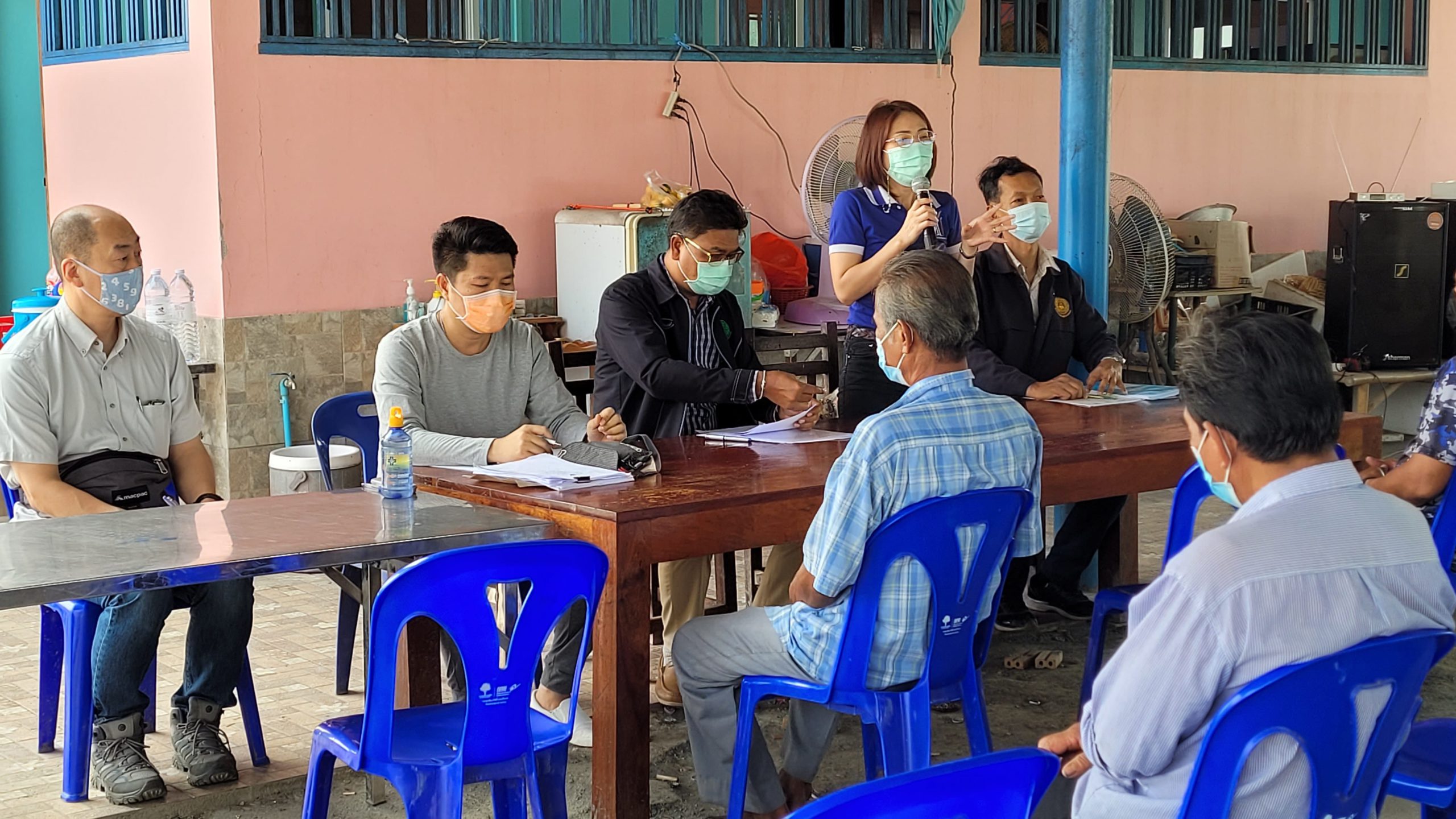
Chachoengsao, located in the vicinity of Bangkok province,
is in the eastern part of Thailand. Its area is
approximately 5,351 km2 which is ranked as the 40th largest
province in Thailand. Chachoengsao province is the target
area for this study basically because it gains the
reputation of various agricultural practices and eases the
quality control of the project. As mentioned earlier,
Chachoengsao has highly diversified agricultural activities
with particular strength in crops, livestock, and fisheries.
These businesses have played distinctively important
economic and socio-cultural roles for the well-being of
farming households, such as food security, supporting local
livelihood household income-generation process, a form of
saving, a social status and sources of employment. The
livestock species are also of considerable importance for
farm families through providing a means of generating
income, satisfying household energy requirements, and
supporting food supply for consumption of products.
AFSIS Secretariat has been providing time series data by Database, as well as reports on supply and demand information and production forecasts for five main crops. These reports are known as the Agricultural Commodity Outlook (ACO) and Early Warning Information (EWI). Initially, the activities focused only rice-related data, but over time, the scope expanded to include all five major crops in alignment with the AFSIS database. Under the implementation of the SAFER project, the AFSIS Focal Points had discussed on the appropriate agricultural commodity to be added as a new target commodity apart from five main crops. Following deliberations, the meeting concluded that “Laying Hens” would be the new commodity added to the AFSIS Database, as well as the ACO and EWI reports. The AFSIS Secretariat developed a guidebook outlines the data collection process and provides clear definitions and descriptions of the necessary data items to support the integration of this new commodity into AFSIS’s reporting mechanisms.
Sub-indicator 1:
Farm output value per hectare
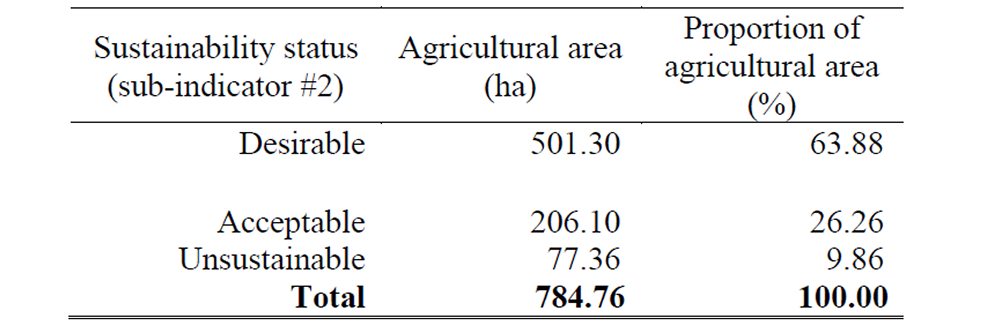
Sub-indicator 2:
Net farm income
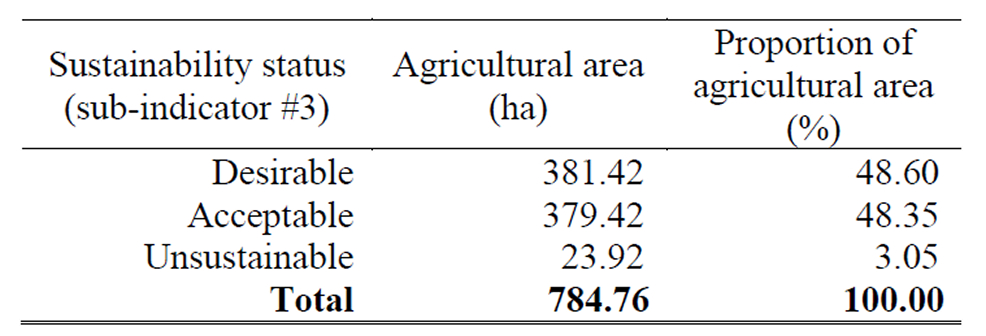
Sub-indicator 3:
Risk mitigation mechanisms
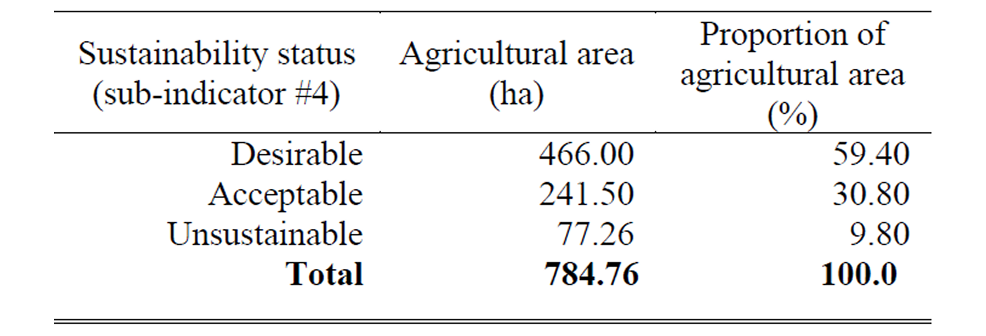
Sub-indicator 4:
Prevalence of soil degradation
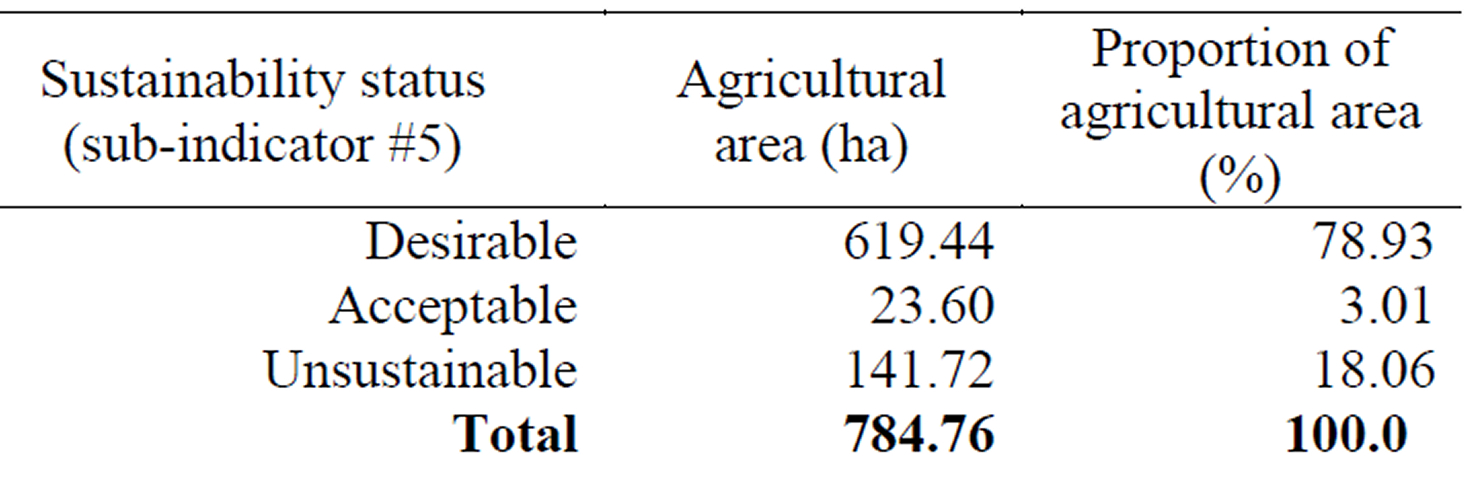
Sub-indicator 5:
Variation in water availability
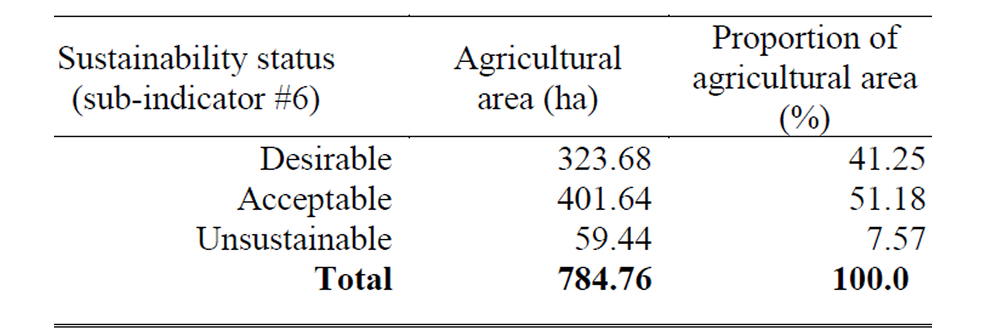
Sub-indicator 6:
Management of fertilizers
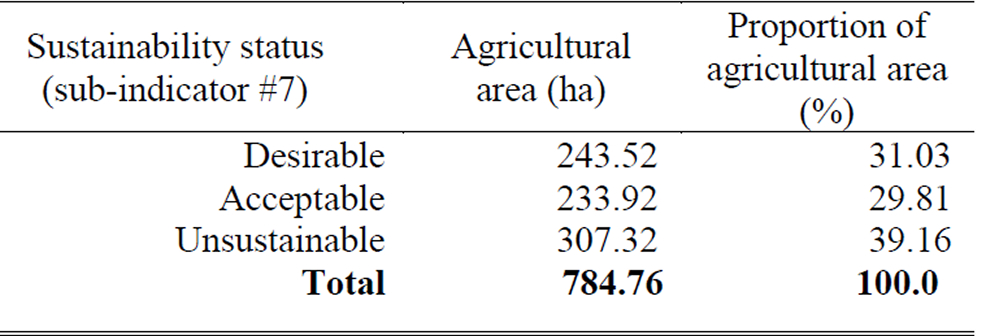
Sub-indicator 7:
Management of pesticides
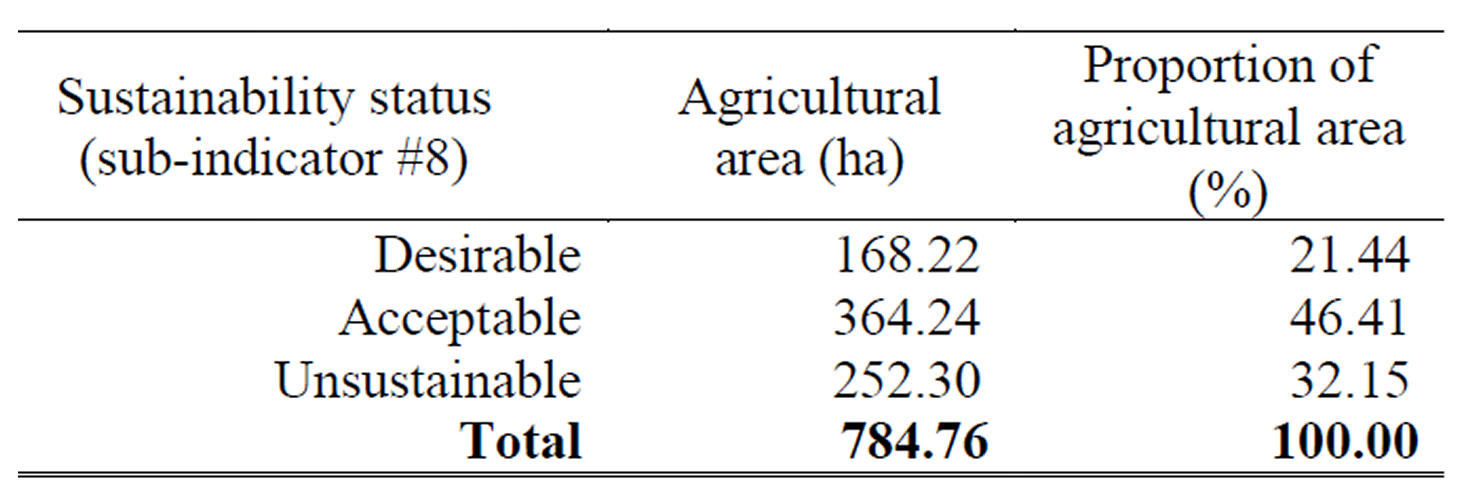
Sub-indicator 8:
Use of biodiversity-supportive practices
Sub-indicator 9:
Wage rate in agriculture
Sub-indicator 10:
Food insecurity experience scale (FIES)
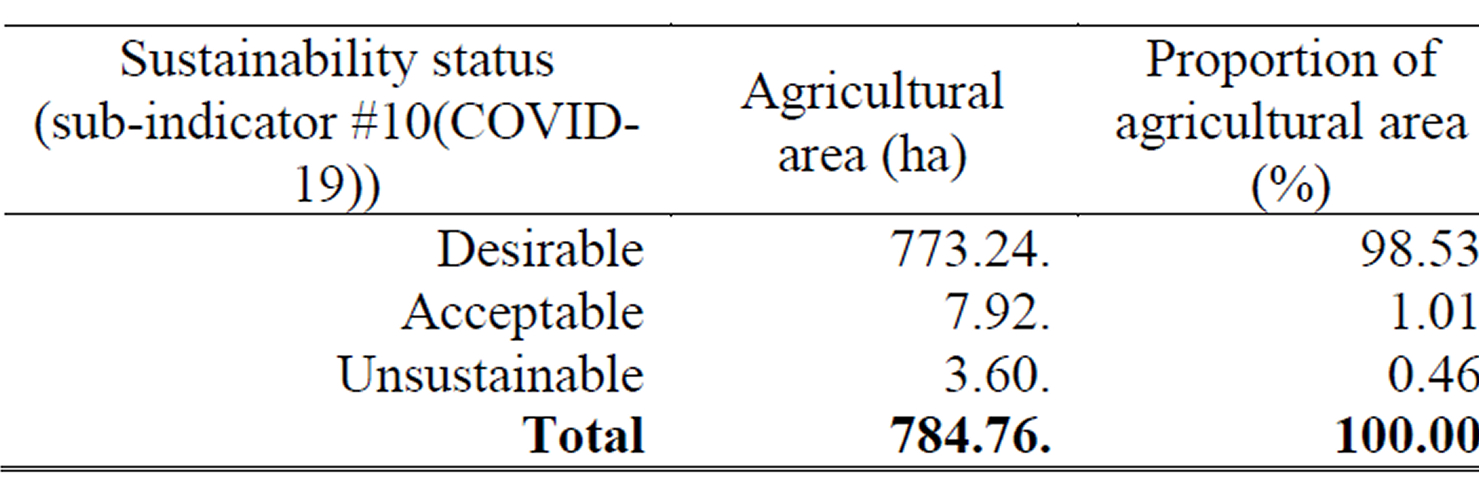
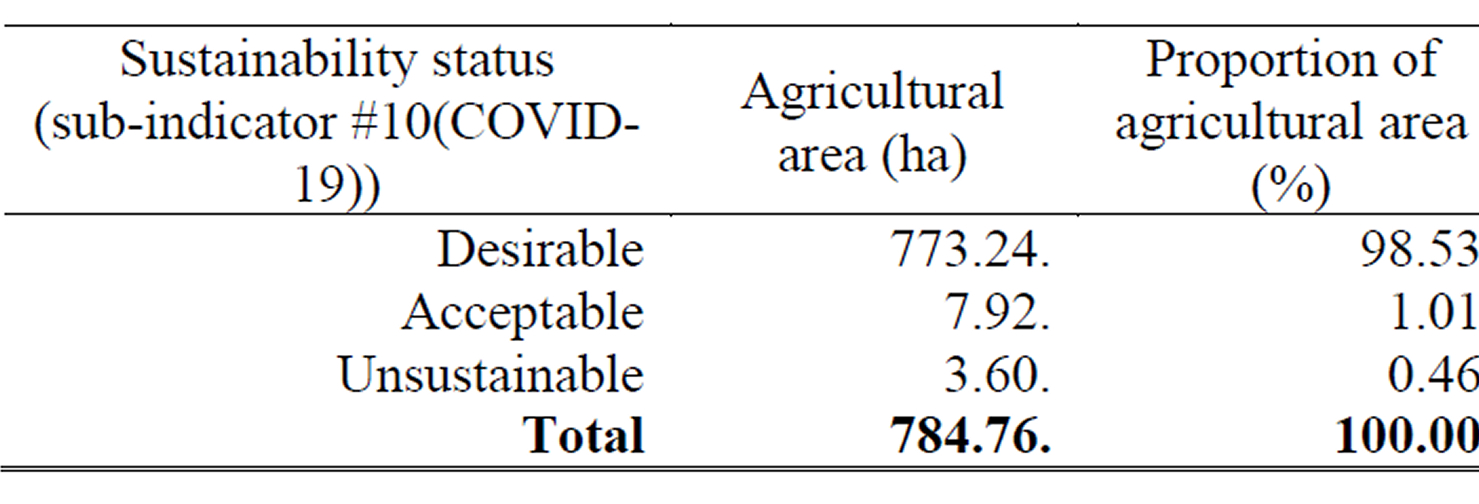
Sub-indicator 10:
Food insecurity experience scale (FIES) with COVID-19 pandemic situation modification

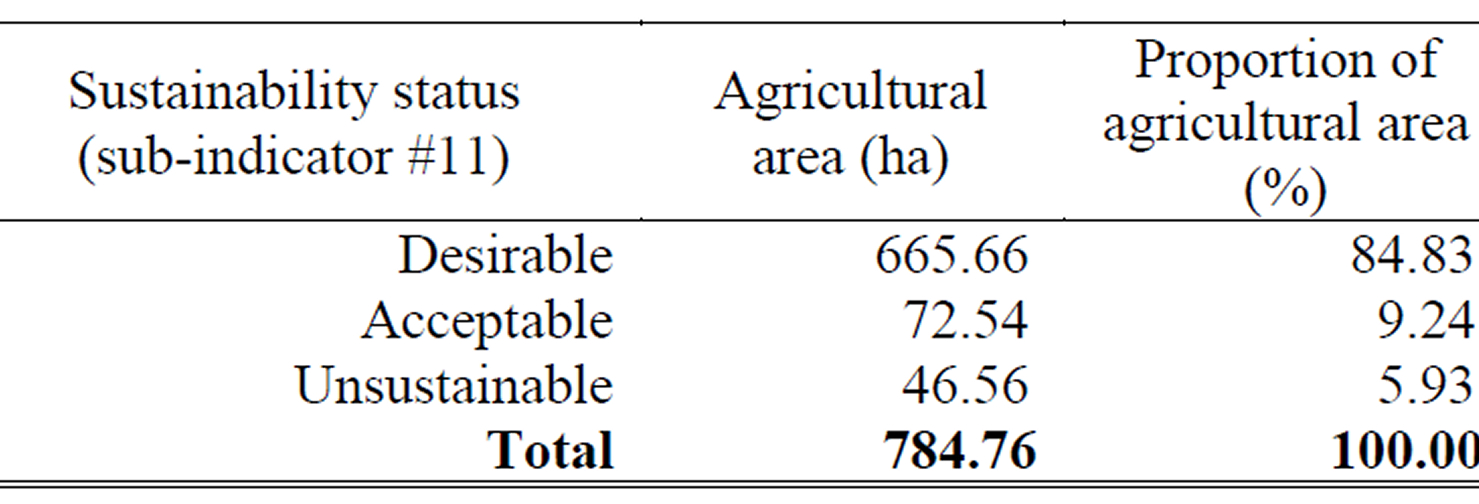
Sub-indicator 11:
Secure tenure rights to land
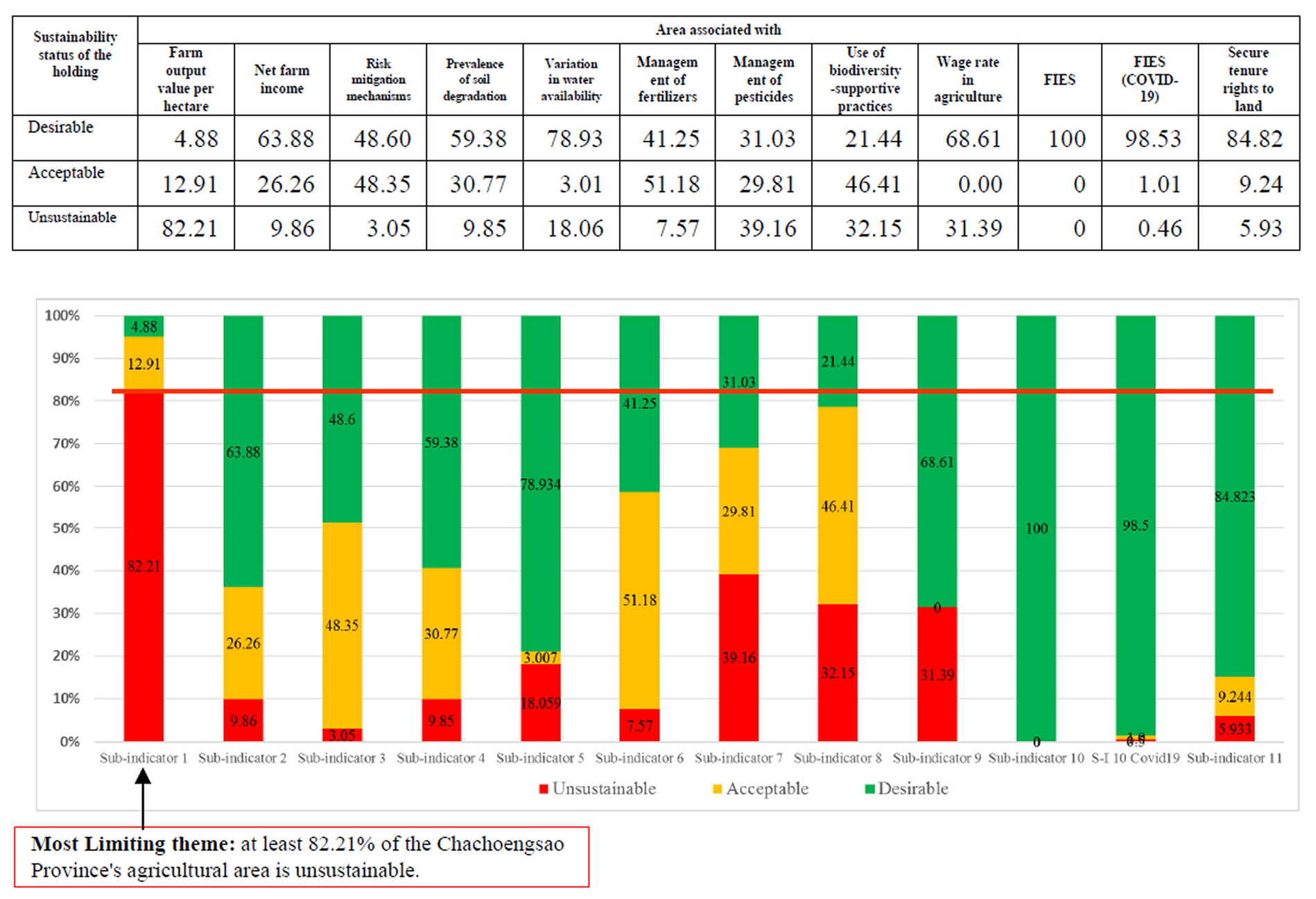
SDG 2.4.1 Dashboard
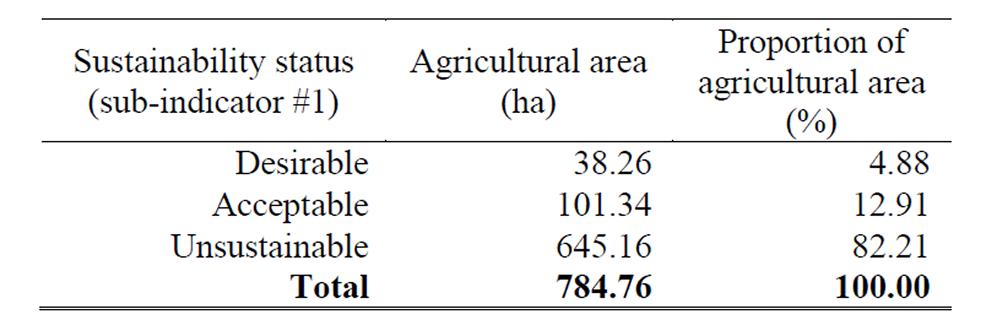
Using data from the pilot survey carried out in Chachoengsao province, it is unmistakable that the sub-indicator with the highest level of unsustainability is Farm Output Value per Hectare with at least 82.21% of the agricultural area classified as unsustainable
- The double sampling design suggested by FAO is
essential for conducting the future farm survey. The
stratification is additionally indispensable for the
classification of diversified groups of agricultural
holdings (farm household and non-farm household), low,
medium, and high intensification of land productivity,
and also diversification of landholding size. - For data collection, the sample size and distribution
should be relatively sizeable to define the agricultural
activities of the whole kingdom. Additionally, aggregate
evidence in this study suggests that the data collection
should be highlighted on important cash crops. - The data from farm survey can be supplemented with
information from other sources, for example, the data
which has been obtained from agricultural census done by
National Statistical Office, would probably accomplish
sub-indicator 1 and 2. - Some key concepts and their specific definitions are
uncommon in Thailand context. Enumerators and
respondents have difficulties in comprehending those
concepts. Another challenge is some questions in the
survey create difficulty in recall, for example, the
recollection of profitability in the last three
consecutive years. The complicated contents in
questionnaire creates respondent burden during the
survey. The best practices would be 4.1) the
multiple-choice questions would need to be adjusted to
suit Thai circumstances, 4.2) the questionnaire should
be simplified and comprehendible so that it will not be
a burden for both enumerators and selected respondents. - Essentially, the Thai authorities should discuss with
FAO consultants whether aquaculture sector exclusively
should be included in the future survey since the sector
is one of the major contributions to the agriculture in
Thailand.
This output focuses on strengthening the capacity of
officers from ASEAN Member Countries, in collaboration with
JAXA and RESTEC, to develop the necessary skills to operate
the INAHOR system using satellite imagery (ALOS-2 data) for
estimating rice cultivation areas in target regions. Upon
completion of the training, participants are expected to be
able to prepare training data for INAHOR, estimate rice
cultivation areas in their respective countries, and
generate corresponding maps using the software. Furthermore,
they will be equipped with the knowledge and capability to
adopt and integrate satellite-based technologies into
agricultural statistics within their national statistical
systems. The AFSIS Secretariat conducted both regional
workshops for member countries and in-countries activity in
Lao PDR, Cambodia in 2023, Thailand and Vietnam in 2024, and
Indonesia and Myanmar in 2025, respectively.
SAS-PSA Project in Thailand A pilot study on SDG indicator 2.4.1 in Chachoengsao Province, Thailand
Download PDF